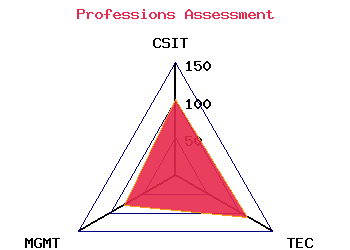
1. Technical
Required Skills:
[D] Technical and Analytical Thinking
[E] Curiosity and Continuous Learning
[F] Creativity
[G] Visual Communication
Fields:
[1] Construction
[2] Dying and Printing
[3] Cutting and Sewing
[4] Architecture
Occupations:
civil engineering, architecture, project management, quantity surveying, construction supervision, textile dyeing and printing technicians, colorists, quality control specialists, textile designers, production managers in textile mills, fashion designers, pattern makers, tailors, sewing machine operators, quality control inspectors, production supervisors in garment factories,
Job opportunities:
Job Opportunities:
Construction:
Pakistan: In Pakistan, the construction industry is rapidly growing, driven by infrastructure development and urbanization. Job opportunities include civil engineering, architecture, project management, quantity surveying, construction supervision, and skilled trades such as masonry, carpentry, and plumbing.
Global: The global construction industry offers vast employment prospects, particularly in developing countries undergoing rapid urbanization. Opportunities exist in large-scale infrastructure projects, architectural firms, international construction companies, and specialized trades.
Dyeing and Printing:
Pakistan: Pakistan has a strong textile industry, making it an ideal place for careers in dyeing and printing. Job prospects include textile dyeing and printing technicians, colorists, quality control specialists, textile designers, and production managers in textile mills and garment manufacturing units.
Global: The global textile and fashion industries offer diverse career opportunities in dyeing and printing. Employment options include working with textile manufacturers, fashion houses, interior design firms, printing companies, and textile technology research.
Cutting and Sewing:
Pakistan: Pakistan has a thriving textile and apparel industry, creating numerous job opportunities in cutting and sewing. Careers include fashion designers, pattern makers, tailors, sewing machine operators, quality control inspectors, and production supervisors in garment factories, fashion studios, and retail outlets.
Global: The global fashion and textile industries provide job prospects for individuals skilled in cutting and sewing. Opportunities exist in fashion design houses, garment production units, textile mills, costume design, and custom tailoring.
Architecture Entrepreneurship and Self-Employment:
Architecture provides a platform for entrepreneurship and self-employment. Architects can establish their own architectural firms and work independently or as part of a team. This offers greater control over project selection, design philosophy, and professional growth.
Collaborative and Interdisciplinary Work:
Architecture involves collaboration with various professionals, including engineers, contractors, interior designers, and landscape architects. Architects often work in multidisciplinary teams, fostering creative synergy and professional networking.
Technological Advancements:
Architects benefit from technological advancements that streamline design processes, such as computer-aided design (CAD), Building Information Modeling (BIM), and visualization tools. These technologies enhance efficiency, accuracy, and communication within the architectural industry.